Finding a trusted endodontist in Vallejo means getting specialized care without a long drive to the city or a weeks-long wait for an appointment. We see patients from all over Vallejo, neighborhoods close to downtown, out toward Hiddenbrooke, up near Carquinez Heights, and we handle the full range of tooth pain, infections, and damage that general dentists refer out. Our team knows this community, and we’ve built our practice around making specialized care actually accessible here.
When a tooth gets badly infected or damaged past what a filling can fix, root canal treatment is how you save it. We do root canal therapy using techniques and tools that make the whole thing far less dramatic than most people expect. Whether your general dentist sent you our way or you woke up at 2am with a throbbing jaw and started Googling, we can get you in, figure out what’s happening, and take care of it.
Root canal therapy becomes necessary when the soft tissue inside your tooth, the dental pulp, gets inflamed or infected. That pulp has nerves, blood vessels, and connective tissue. Once a tooth is fully grown, it can function without it. Infection usually comes from a deep cavity that went untreated too long, a crack that let bacteria reach the inner chamber, or repeated work on the same tooth that wore down its structure. Sometimes a trauma that didn’t even crack the tooth visibly can still damage the pulp enough to cause infection months or years later. That part surprises people.
We see a lot of patients from the Georgia Street and downtown Vallejo corridor who come in with infections that had time to get serious. Historically, getting to a specialist quickly in Vallejo wasn’t easy. A lot of people ended up managing pain with antibiotics from their general dentist, which helps short-term but doesn’t fix the underlying problem. We’ve made it a priority to offer prompt appointments and real scheduling flexibility so that gap closes, not just for patients near downtown, but across the whole city.
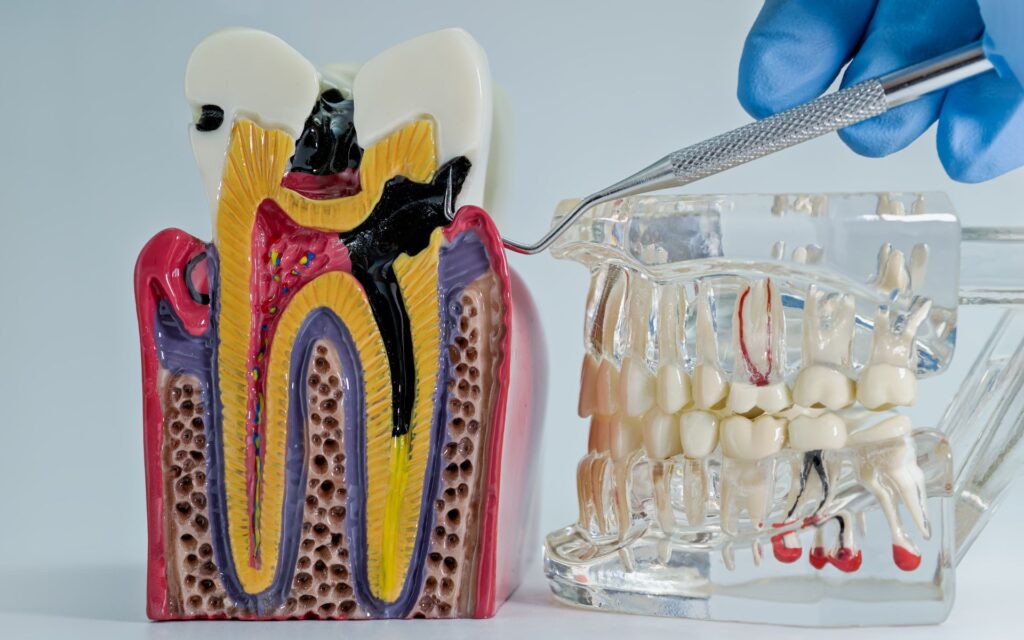
Root canal treatment options are a safe, routine procedure that removes infected or inflamed tissue from inside the tooth, protects healthy tooth structure, and eliminates pain.
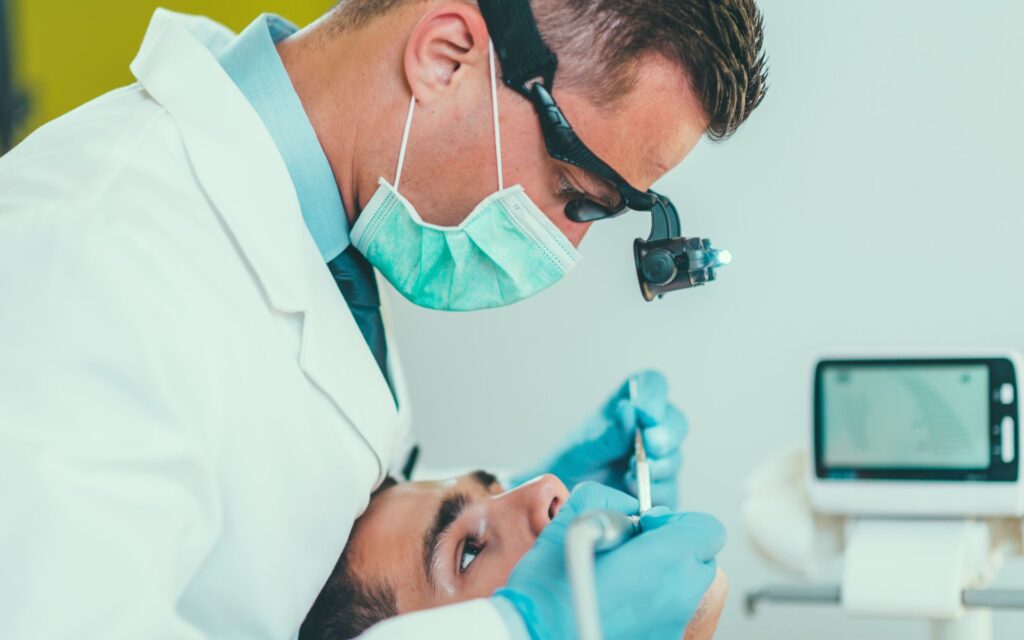
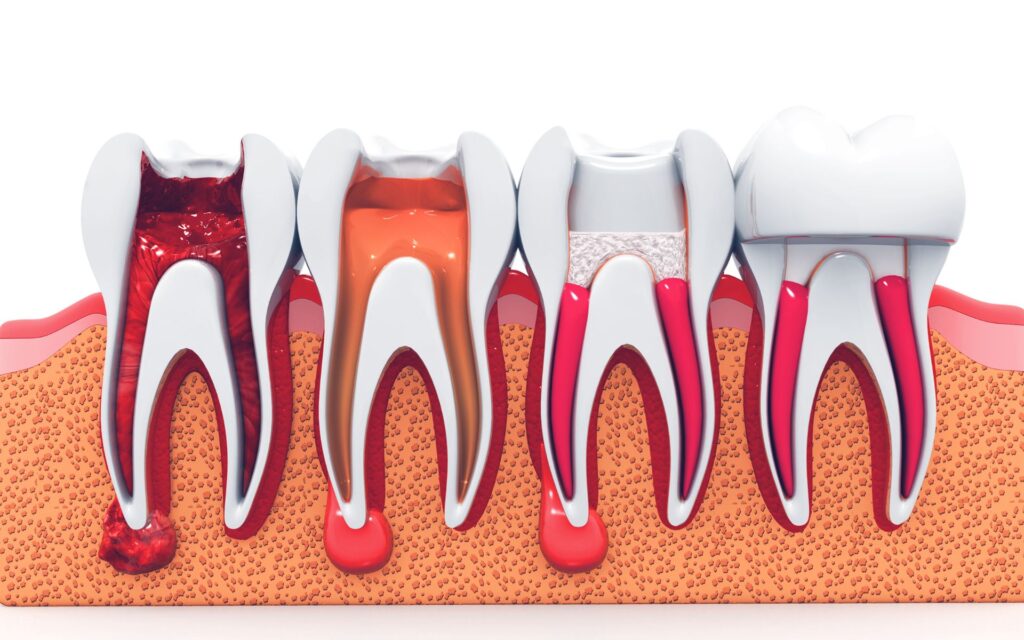
Knowing what actually happens during a root canal helps more than people think. The procedure follows a clear sequence of steps: remove the infection, protect the tooth, get you out of pain.
First, we numb the area completely with local anesthesia. Modern root canal treatment is not more uncomfortable than a filling. Most patients are genuinely surprised. For anyone dealing with dental anxiety, we talk through comfort options before we start, you don’t have to white-knuckle it.
Once you’re numb, we make a small opening in the crown of the tooth to reach the pulp chamber. Using specialized instruments and magnification, we remove the infected or inflamed pulp tissue from both the chamber and the root canals running down into the jaw. That’s the step that stops the pain and keeps the infection from spreading to neighboring teeth or into the bone.
Then the empty canals get shaped and cleaned using precision files and antimicrobial irrigation. We use electronic apex locators to measure the exact length of each canal so nothing gets missed. Some teeth have curved or branching canals that only a specialist with the right training and equipment can navigate, molars especially. This is where having an endodontist rather than a general dentist makes a real difference.
Finally, the cleaned canals are sealed with gutta-percha and a sealer cement that closes off the canal system against future bacteria. A temporary or permanent filling goes in the access opening, and your general dentist follows up with a crown to protect the tooth and bring it back to full function.
A root canal is a much better solution than extraction, as it preserves your smile and avoids more extensive and costly dental work.
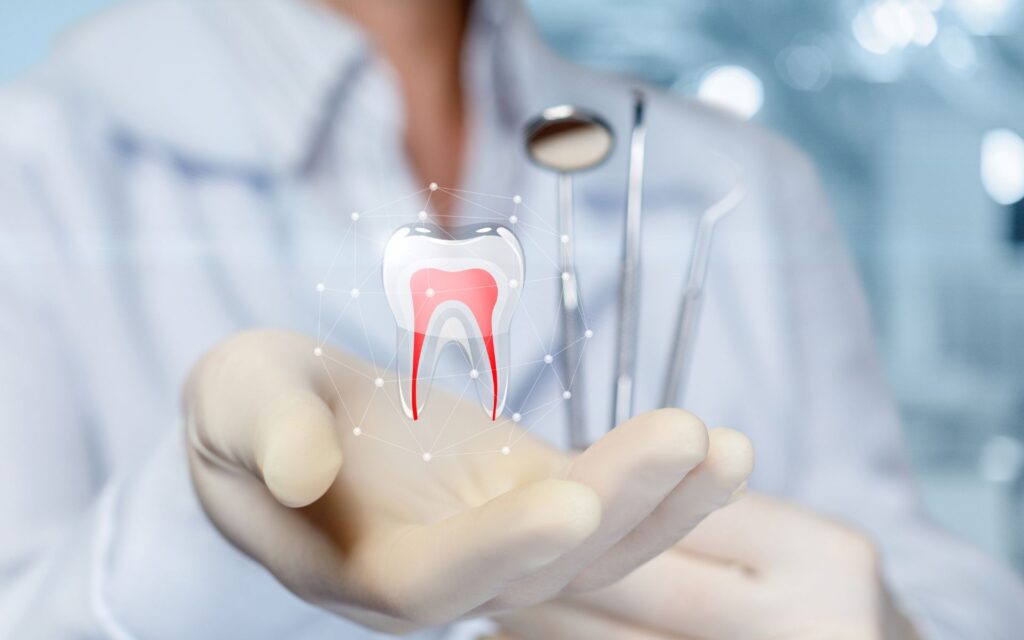

Most root canals wrap up in one or two visits. Molars with multiple roots or tricky canal anatomy sometimes need a second appointment to do it right. When a significant infection is present, we may place a medicated dressing inside the tooth between visits to clear out bacteria before the final seal goes in.
Relief comes fast. Most patients feel real improvement within a day or two. The throbbing pain from infected pulp is gone once the tissue is out, the residual soreness is usually mild, and ibuprofen handles it. We send you home with clear aftercare instructions and we’re easy to reach if something feels off during recovery.
A root canal-treated tooth can last a lifetime with proper care. Studies consistently show high long-term success rates, especially when a crown goes on promptly. Saving the tooth is almost always better than pulling it, it keeps your bite aligned, stops neighboring teeth from drifting, and skips the cost and complexity of implants or bridges down the road.
Catching a pulp infection early gives you more options. Don’t wait until it’s a full emergency. Common signs include:
Thorough diagnostics using the latest digital imaging
Multilingual staff (Spanish, Tagalog, Hindi, Japanese, Vietnamese) to ensure comfort and clarity for every patient
Open communication—every step and option explained before treatment begins
Priority scheduling for dental emergencies and pain relief
Advanced anesthesia and gentle techniques mean most patients experience little to no pain during or after the procedure—often less discomfort than with a tooth extraction.
Most treatments are completed in one or two visits; it varies depending on the complexity of the tooth.
Delaying care risks spreading infection, causing more sharp pain, swelling, or even tooth loss—which can lead to more expensive and time-consuming treatments later on.
Antibiotics may be prescribed if infection is severe, but root canal treatment is usually the most effective way to eliminate the source.
Yes, root canal retreatment is a real option when an old root canal doesn’t fully heal or a new infection develops. We remove the original filling material, re-clean the canals, and seal everything again. Catching it early gives the tooth the best chance. If something still feels off after a previous root canal, that’s worth getting checked out sooner rather than later.
If you are experiencing tooth pain or have been referred for a root canal, trust Dr. Maggie Thai, Dr. Quincy Tan, and our skilled Bay Area dental professionals’ team for fast relief and lasting results. Book your visit at one of our convenient San Francisco, Vallejo, or Fairfield locations—and save your natural smile for years to come.
This page is updated regularly as new endodontic techniques and technologies are added to our practice, keeping your care state-of-the-art and effective